Aromatherapy massage is more than just a luxurious spa treatment; it’s a holistic approach to well-being that combines the therapeutic benefits of touch with the healing properties of essential oils. In this comprehensive guide, we’ll explore the origins, techniques, benefits, and precautions of aromatherapy massage, empowering you to harness its potential for relaxation, rejuvenation, and overall wellness.
Origins of Aromatherapy Massage
Aromatherapy, as we know it today, traces its roots back thousands of years to ancient civilizations such as Egypt, China, and India. These cultures recognized the medicinal properties of aromatic plants and utilized them in various healing practices, including massage.
The term “aromatherapy” was coined in the early 20th century by French chemist René-Maurice Gattefossé, who studied the therapeutic effects of essential oils after experiencing their healing powers firsthand. Since then, aromatherapy has evolved into a multifaceted practice encompassing both traditional wisdom and modern scientific research.
Understanding Aromatherapy Massage
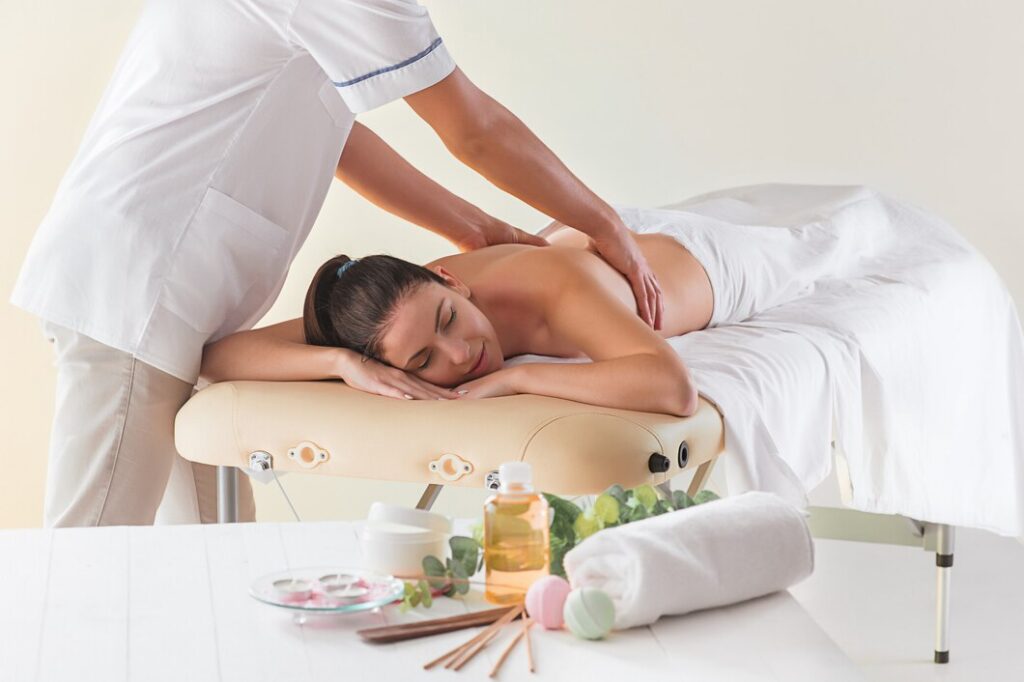
Aromatherapy massage combines the therapeutic benefits of massage therapy with the aromatic and medicinal properties of essential oils. During a session, a skilled massage therapist incorporates customized blends of essential oils into the massage oil or lotion, tailoring the treatment to address the client’s specific needs and preferences.
The massage techniques used in aromatherapy massage vary depending on the desired outcome and the client’s individual requirements. From gentle strokes to deeper pressure, the therapist employs a range of movements to promote relaxation, relieve muscle tension, and enhance overall well-being.
Key Essential Oils in Aromatherapy Massage
Essential oils are the cornerstone of aromatherapy massage, each possessing unique properties that influence the mind, body, and spirit. Here are some of the most commonly used essential oils and their therapeutic benefits:
- Lavender: Known for its calming and soothing effects, lavender essential oil is often used to alleviate stress, promote relaxation, and improve sleep quality.
- Peppermint: With its invigorating aroma and cooling sensation, peppermint essential oil is prized for its ability to relieve muscle pain, boost energy levels, and enhance mental clarity.
- Eucalyptus: Renowned for its respiratory benefits, eucalyptus essential oil is frequently used to clear congestion, ease breathing, and promote feelings of vitality and freshness.
- Chamomile: Gentle and comforting, chamomile essential oil is prized for its anti-inflammatory properties, making it ideal for soothing sore muscles, calming the mind, and promoting restful sleep.
- Rosemary: Stimulating and revitalizing, rosemary essential oil is cherished for its ability to improve circulation, enhance mental focus, and alleviate feelings of fatigue and sluggishness.
Benefits of Aromatherapy Massage
The benefits of aromatherapy massage extend far beyond relaxation, encompassing physical, mental, and emotional well-being. Here are some of the key advantages:
- Stress Reduction: Aromatherapy massage can help reduce stress levels by promoting relaxation, soothing the nervous system, and releasing tension held in the body.
- Pain Relief: The combined effects of massage and essential oils can provide relief from muscular aches and pains, inflammation, headaches, and other discomforts.
Improved Sleep Quality: Certain essential oils, such as lavender and chamomile, have sedative properties that can promote deep, restorative sleep and alleviate insomnia.
Enhanced Mood and Mental Clarity: Aromatherapy massage can uplift the spirits, alleviate symptoms of anxiety and depression, and improve mental focus and concentration. - Immune Support: Some essential oils possess antibacterial, antiviral, and immune-stimulating properties, helping to strengthen the body’s natural defenses and promote overall health.
Precautions and Considerations
While aromatherapy massage is generally safe for most people, there are some precautions and considerations to keep in mind:
- Allergies: Some individuals may be sensitive or allergic to certain essential oils. It’s essential to perform a patch test or consult with a qualified aromatherapist before using unfamiliar oils.
- Pregnancy: Pregnant women should exercise caution when using essential oils, especially during the first trimester. Certain oils, such as clary sage and rosemary, are best avoided during pregnancy.
- Medical Conditions: People with certain medical conditions, such as epilepsy, asthma, or skin sensitivities, should seek guidance from a healthcare professional before undergoing aromatherapy massage.
- Dilution: Essential oils are highly concentrated substances and should always be diluted in a carrier oil before applying them to the skin to prevent irritation or adverse reactions.
Conclusion
Aromatherapy massage offers a harmonious blend of touch therapy and aromatic healing, providing a holistic approach to relaxation, rejuvenation, and wellness. By harnessing the power of essential oils and skilled massage techniques, aromatherapy massage has the potential to promote physical, mental, and emotional well-being, enhancing the quality of life for countless individuals around the world. Whether you seek relief from stress or pain, or simply desire a moment of tranquility in today’s hectic world, aromatherapy massage invites you to experience the transformative power of scent and touch.


